Ride the Tides, Walk with Confidence along Devon’s Wild Coast

Today we dive into tidal planning and safety for Devon coastal hikers, turning charts and forecasts into clear, confident decisions. You will learn how to read spring and neap cycles, time estuary crossings, anticipate swell, and build generous margins so headlands, coves, and vanishing causeways become rewarding, hazard‑aware adventures rather than stressful scrambles.

Spring and Neap Rhythm You Can Trust

Springs bring higher highs, lower lows, and faster flows, especially after full and new moons; neaps soften everything, gifting longer safe windows but sometimes hiding slippery weeded ledges for longer. Mark the cycle on your calendar, note the influence of equinoxes, and let the pattern guide start times rather than wishful thinking or optimistic pacing among complex headlands.

Turning Numbers into Footsteps: The Rule of Twelfths

When you cannot visualize how quickly water rises, the rule of twelfths helps: in six hours it climbs unevenly, with the biggest leaps mid‑tide. Convert predicted heights into terrain reality by identifying ledges, gulleys, and escape ramps. This mental model shrinks guesswork, especially where a short pause for photos could erase your return line within minutes.

North vs South: Ranges, Surges, and Narrow Inlets

North Devon’s Bristol Channel side can swing dramatically, with surge magnification in funnelled harbours like Lynmouth, while the south coast near Exmouth and Start Bay often feels steadier yet still demands precision. Treat each bay as unique, respecting local bathymetry, river flow, and swell direction. Small map distances can conceal fast‑moving edges and unexpectedly forceful water accelerations.

Timing Tools that Keep Your Boots Dry

Reliable Tide Data, Cross-Checked and Local

Start with UK Hydrographic Office sources such as Admiralty EasyTide, then compare with harbour boards and reputable apps. Confirm your reference port and apply the correct offset for nearby locations. Before committing to a cliff‑base traverse, ask lifeguards or harbour staff for any unusual anomalies, like river outflow or sandbar shifts that skew the printed prediction.

Mapping Cut-offs before You Go

Mark known timing pinch points on your map: Burgh Island causeway at Bigbury‑on‑Sea, the River Erme low‑tide crossing, rocky aprons beneath Hartland’s crags, and tight coves near Combe Martin. Trace escape ramps and higher paths in advance. If a detour exists, star it. When you arrive, your eyes confirm, not discover, the hazards your map already warned about.

Build Generous Margins, Not Heroics

Aim to arrive at tidal obstacles well before the best window, depart earlier than comfort suggests, and commit to a non‑negotiable turnaround time. Add buffers for photo stops, navigation checks, slippery scrambles, and conversation. Pride evaporates quickly when waves close your return. Leave space for kindness to yourself: extra daylight, warmer layers, and unhurried, safer decisions.

Reading the Coast: Hazards You Can Anticipate
Swell, Wind, and the Atlantic Engine

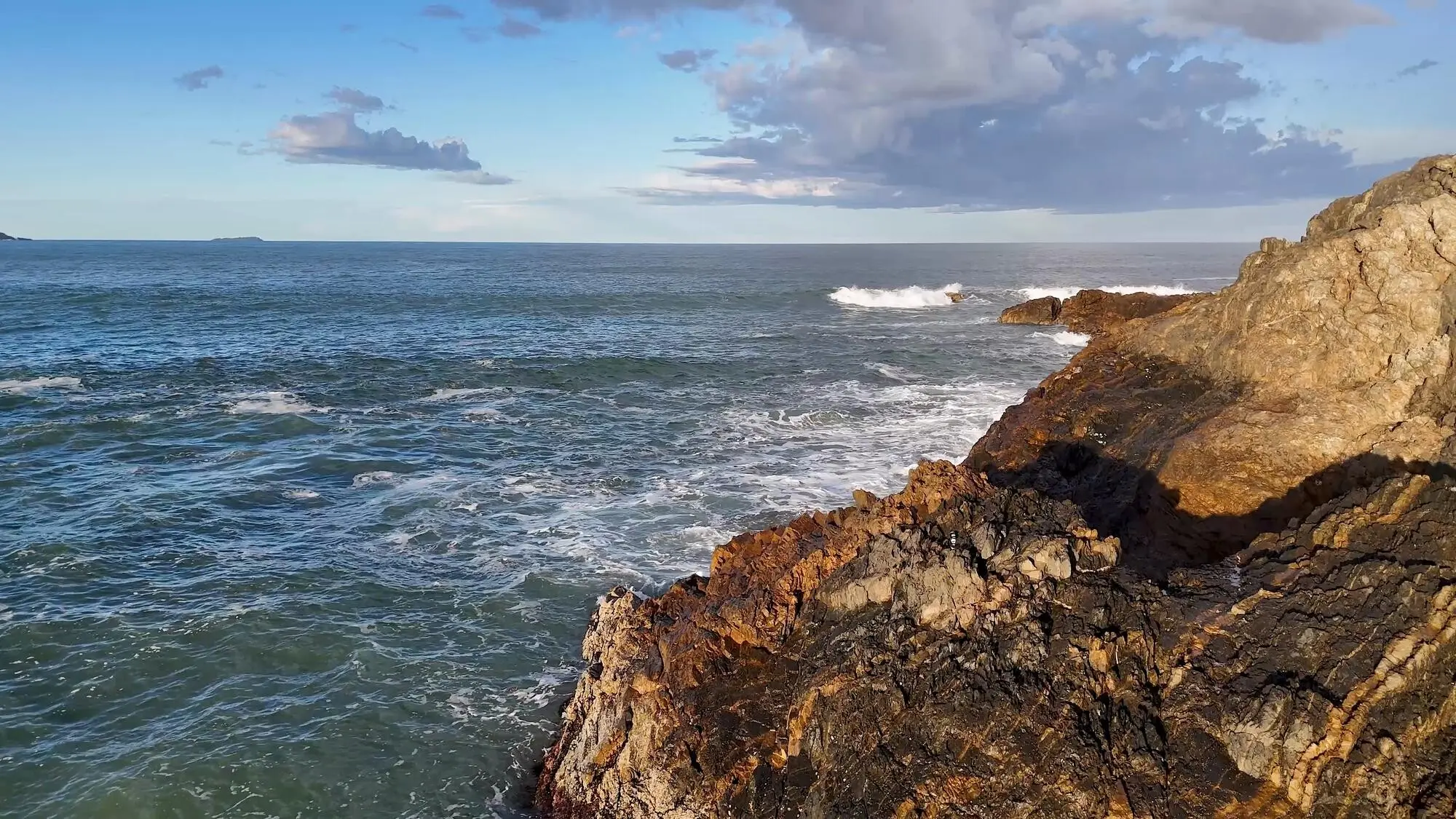
A calm forecast can hide long‑period swell that stacks explosively against headlands like Hartland Point. Cross‑reference swell height with period and direction; onshore winds whip tops, but offshore winds can also rebound spray unpredictably from cliffs. Watch three complete wave sets before committing to exposed slabs, and assume the largest set is still on its deliberate way.

Grip, Seaweed, and Polished Rock

A calm forecast can hide long‑period swell that stacks explosively against headlands like Hartland Point. Cross‑reference swell height with period and direction; onshore winds whip tops, but offshore winds can also rebound spray unpredictably from cliffs. Watch three complete wave sets before committing to exposed slabs, and assume the largest set is still on its deliberate way.

If Waves Box You In

A calm forecast can hide long‑period swell that stacks explosively against headlands like Hartland Point. Cross‑reference swell height with period and direction; onshore winds whip tops, but offshore winds can also rebound spray unpredictably from cliffs. Watch three complete wave sets before committing to exposed slabs, and assume the largest set is still on its deliberate way.

Wading the River Erme Safely

Study the crossing notes before you arrive, aim for the low‑tide slack, and assess depth, flow, and footing in person. Unclip hip belts, face upstream, and cross diagonally with small steps if conditions truly permit. If in doubt, wait, retreat, or reroute. Many happy days begin with declining a sketchy, ego‑driven attempt at a fleeting shortcut.

Seasonal Ferries on the Yealm and Avon

The Yealm and Avon ferries do not run year‑round or all day. Check start dates, last sailings, wind limits, and cash requirements. Save phone numbers in your device and on paper. If service pauses for swell or fog, you should already know your land detour, snack plan, and daylight allowance, turning inconvenience into a calm, scenic variation.

Taw–Torridge Detours without Hassle

North Devon’s broad estuary system invites grand views but demands patience. Use established bridges and the Tarka Trail where appropriate, and budget extra time rather than forcing risky shoreline shortcuts. Enjoy the wildlife, cafes, and maritime history as part of the journey. A well‑timed detour often becomes the day’s favorite memory, not a reluctant compromise.
Weather, Light, and Seasonal Nuance

Tide times are only half the picture. Storm tracks, pressure systems, and equinoctial tides reshape what is feasible. Winter compresses daylight and chills wet clothing rapidly; summer brings glare, dehydration, and crowds at pinch points. Fold sunrise, sunset, temperature, and wind into your timing choices, so your safest windows also feel unhurried, warm, and joyfully scenic.

Footwear, Layers, and Salt-Ready Choices

Choose lugged soles that bite into wet rock, plus quick‑dry layers resisting spray and wind. Pack a warm hat even in bright weather; cliffs funnel chill. Gloves help on barnacled scrambles and protect hands when slipping. A tiny towel and spare socks reset morale after wades. Small comforts compound into clearer thinking when time suddenly matters.

Maps, Batteries, and Offline Backups

Download offline OS mapping and mark escape routes, ferry points, and tide‑dependent sections with notes. Carry a printed map in a waterproof sleeve, and a compass you have genuinely practiced with. Two battery banks beat one, especially in cold wind. A simple route card in your pocket survives dunkings and lets helpers understand your intentions quickly.

Calling for Help the Effective Way

If you or a companion is in danger, dial 999 and ask for the Coastguard. Offer landmarks, grid references, or what3words, plus injury details and tide state. Stay visible with a bright layer or light. Conserve phone power by reducing screen brightness. If you carry a whistle, three blasts repeated helps rescuers home in quickly.

Burgh Island’s Vanishing Causeway

The sandbar looks broad, then the sea breathes in and it shrinks like a ribbon. Many visitors underestimate how quickly ankle‑deep becomes thigh‑deep with pushy sets. Arrive early, set a firm turnaround, and keep checking reference points. If you would not carry a toddler across the returning flow, you are already too late for dry feet.

Hartland Quay and the Wise Turn‑Back

On a clear afternoon, long‑period swell hammered the base of a tempting ledge traverse. Two hikers watched full wave cycles, noticed the largest sets creeping higher, and turned back early. They reached the car before dark, warm and cheerful. Pride is not a souvenir; warm laughter is. The coast will offer the traverse another day.

Join In: Plans, Checklists, and Shared Insight

Your Best Low‑Water Windows

Post a recent route where arriving thirty minutes earlier made all the difference, including the reference port, offsets, and swell details you observed. Photos welcome. Your specifics help others translate predictions into footsteps. Celebrate safe margins that felt luxurious rather than wasteful, because comfort and time cushion both judgement and the small surprises cliffs always invent.

A Reusable Timing Template

Download our simple template and adapt it: reference port, adjusted times, departure, obstacle windows, bailout notes, and a firm turnaround. Add alarms fifteen minutes before each decision point. After your hike, annotate what worked and what did not. Over time, this living tool becomes a calm voice in your pocket, steering choices when scenery distracts.

Stay Connected for Seasonal Briefings

Subscribe for equinox reminders, ferry timetable changes, and curated weather pattern explainers relevant to Devon’s coastline. We highlight emerging hazards, updated access notes, and inspiring routes with wide safety windows. Reply with questions, request route spotlights, and nudge us about places you love. Your participation keeps the information timely, practical, and joyfully field‑tested.
Vexovanimiranari
Privacy Overview

This website uses cookies so that we can provide you with the best user experience possible. Cookie information is stored in your browser and performs functions such as recognising you when you return to our website and helping our team to understand which sections of the website you find most interesting and useful.